
There’s no single ‘correct’ setting — good settings depend on light and intent. But there is a sensible starting point that makes a camera predictable while you learn. Here it is, in plain language.
Start in Aperture Priority (A or Av)
Aperture Priority lets you choose how much background blur you want while the camera handles shutter speed. It removes one variable so you can focus on light and composition. Full Manual can wait until the basics feel natural.
Aperture: control the background
- f/2.8–f/4: soft, blurred background — great for portraits.
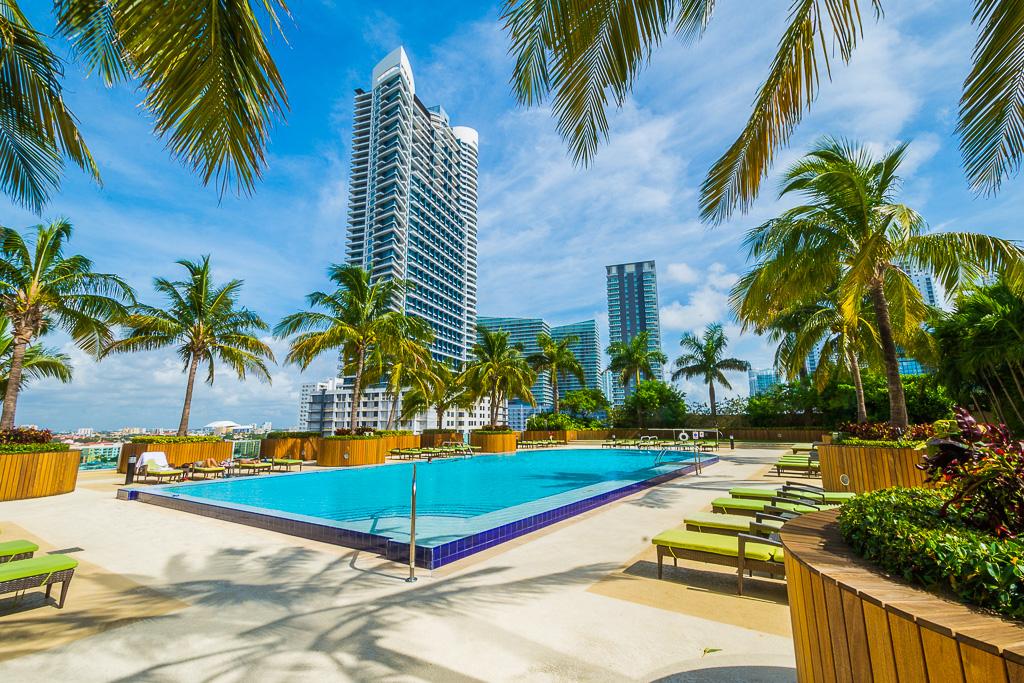
- f/8–f/11: most of the scene sharp — great for landscapes and real estate.
- Wider (smaller number) lets in more light; narrower lets in less.
ISO: keep it as low as the light allows
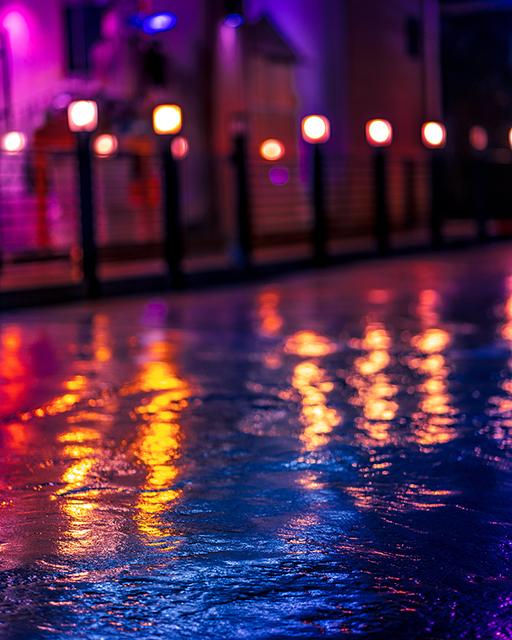
ISO brightens the photo but adds grain when pushed high. Outdoors in daylight, ISO 100–400 is plenty. Indoors or at dusk you’ll raise it — a little grain beats a blurry, too-dark photo.
Shutter speed: freeze or blur motion
For handheld shots, keep shutter speed at roughly 1/125s or faster to avoid blur. For moving subjects — kids, waves, sports — go faster (1/500s+). Slower speeds blur motion on purpose, which is its own creative tool.
The fastest way to make these stick
Settings click when someone watches you use them and corrects the small stuff. That’s exactly what a private lesson is for — bring your camera and we’ll dial in a recipe that fits how you shoot.
Related training
Want personal help with this? Book a private lesson — online or outdoors in South Florida.
Schedule